From Concept to Reality: The Future of Total Artificial Hearts
Cardiovascular disease remains the leading cause of death worldwide, underscoring the urgent need for innovative, life-saving solutions. At Heart Hackathon, we empower the brightest student teams worldwide to push the boundaries of Total Artificial Heart (TAH) design, blending expertise in engineering, medicine, and entrepreneurship to drive the next generation of cardiac innovation.
The following collection of case studies from our top 2024 teams offers a deep dive into their groundbreaking work. More than just success stories, these insights capture the realities of engineering a TAH, detailing each team’s:
Team structure & collaboration
Design challenges & problem-solving approaches
Key technological innovations
Lessons learned & takeaways for future teams
Whether you're a student looking to launch your own team, an educator guiding the next wave of innovators, or an industry professional exploring the future of artificial heart technology, these case studies provide invaluable knowledge and inspiration. Explore the case studies of 2024 below!
Case Study: Mahidol CardiaTech
Overview:
Student-led multidisciplinary team of students from engineering, medicine, and business
Aims to develop a culturally adaptive, fully implantable TAH system
Key challenges and solutions:
Introduced a clear team structure to reduce task overlap
Appointed a timeline coordinator to improve accountability
Balanced technical ambition with buildable, testable design choices
Location: Mahidol University, Thailand
Achievement:
Overall 2nd Place, 2025 Heart Hackathon Competition
Finalist at Heart Hackathon 2024 and Poster Award winner at ISMCS 2024!
Joined Heart Hackathon: 2023

Advice for new teams:
Set clear roles early and appoint team leads
Don’t overcomplicate designs and focus on feasibility
Prioritize strong communication and shared learning
Case Study: Team Bath Heart (TBH)
Overview:
The only student-run medical engineering competition team at the institution
Consists of more than 80 students across multiple disciplinaries
Aims to develop a cutting-edge (TAH) prototype through interdisciplinary collaboration
Key challenges and solutions:
Developed a structured approach to leadership and task delegation
Managing summer drop‑off solved through remote work systems and early physical build deadlines
Focused on real-world applicability and medical compliance to enhance project feasibility
Location: University of Bath, United Kingdom
Achievement:
Most Advanced Design, 2025 Heart Hackathon Competition
Overall 1st Place, 2024 Heart Hackathon Competition
Overall 1st Place, 2023 Heart Hackathon Competition
Joined Heart Hackathon: 2022


TBH at Vice Chancellor’s Garden Party hosted at University of Bath
Advice for new teams:
Be actively involved with various events, regular team meetings and press releases!
Spend quality time on handovers
Implement a robust filing system
Case Study: CBU Cardiac Engineering (CBUCE)
Overview:
Built on CBU’s biomedical engineering curriculum
Aimed to create a practical, testable, and well-documented artificial heart prototype
Key challenges and solutions:
Created a sustainable leadership structure to ensure continuity
Resolved obstacles in project planning by using communication software, physical planning calendars and industry mentorship
Managed dead periods with remote‑friendly tasks
Location: California Baptist University (CBU), USA
Achievement:
Overall 3rd Place, 2025 Heart Hackathon Competition
Overall 2nd Place, 2024 Heart Hackathon Competition
Overall 3rd Place, 2023 Heart Hackathon Competition
Joined Heart Hackathon: 2022


CBUCE at 2024 MD&M medical device conference in Anaheim, California
Advice for new teams:
Balance ambition with feasibility – don’t aim for an overly complex first prototype
Secure strong industry connections early in the process
Document progress throughout the year to improve final presentations
Case Study: Mending Broken Hearts (MBH)
Overview:
A team dedicated to revolutionizing artificial heart technology
Originated from UNSW’s Vertically Integrated Projects (VIP) program
Combines mechanical, electrical, and software engineering
Key challenges and solutions:
Shifted from an academic elective to include extracurricular participants
Registered as a UNSW Arc Club to manage funding and sponsorships
Focused on size, weight, and energy efficiency of TAHs to improve patient quality of life
Location: UNSW Sydney, Australia
Achievement:
Overall 1st Place, 2025 Heart Hackathon Competition
Overall 3rd Place, 2024 Heart Hackathon Competition
Joined Heart Hackathon: 2022


MBH received 3rd place in 2024 Heart Hackathon Finale in Utsunomiya, Japan
Advice for new teams:
Give members defined roles to build ownership and motivation
Involve academic advisers early for guidance, continuity and technical direction
Keep communication transparent and integrate business and technical teams through shared meetings
Case Study: Monash Heart Hack Team
Overview:
Consists of 36 across multiple disciplines
Student‑run Monash team operating as a project under MYMI since 2023
Aim to merge cutting-edge engineering with clinical insight, ultimately contributing to the creation of a fully functional total artificial heart.
Key challenges and solutions:
Addressed inconsistent technical experience by standardizing on boarding and running student‑led workshops
Improved organization through clearer leadership roles, deliverables ownership and a new operations branch
Refined recruitment by shifting to critical‑thinking questions, structured scoring and better integration of new members
Location: Monash University, Melbourne, AUSTRALIA
Achievement:
Best Addressed Challenge Statement, 2025 Heart Hackathon Competition
Best Business Plan, 2024 Heart Hackathon Competition
Overall 2nd Place, 2023 Heart Hackathon Competition
Joined Heart Hackathon: 2022
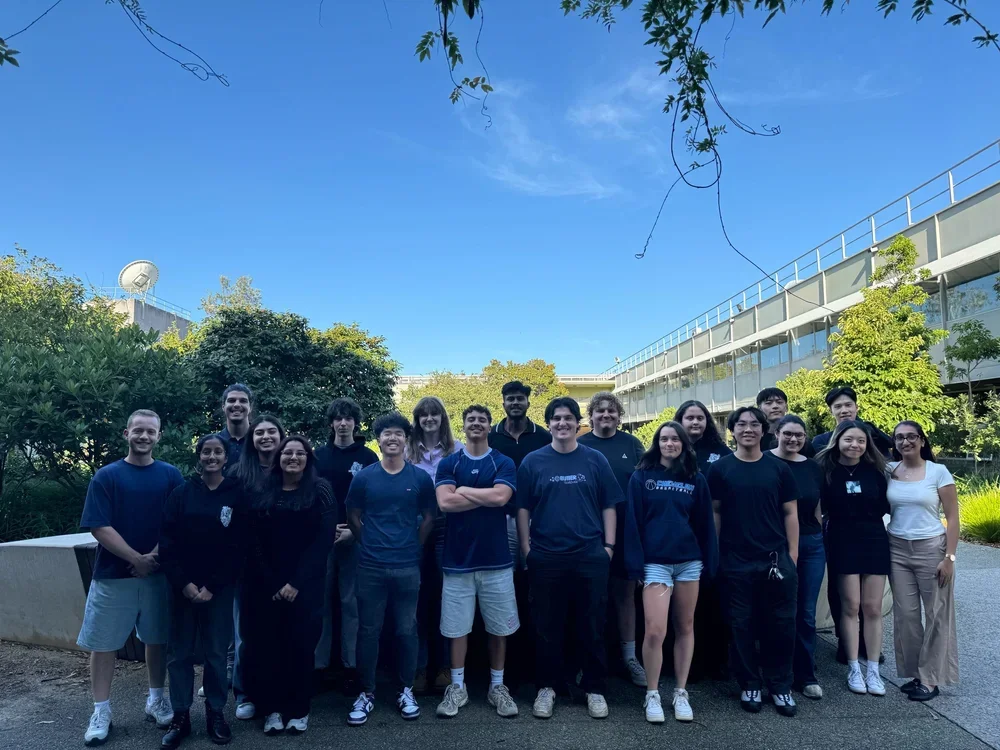
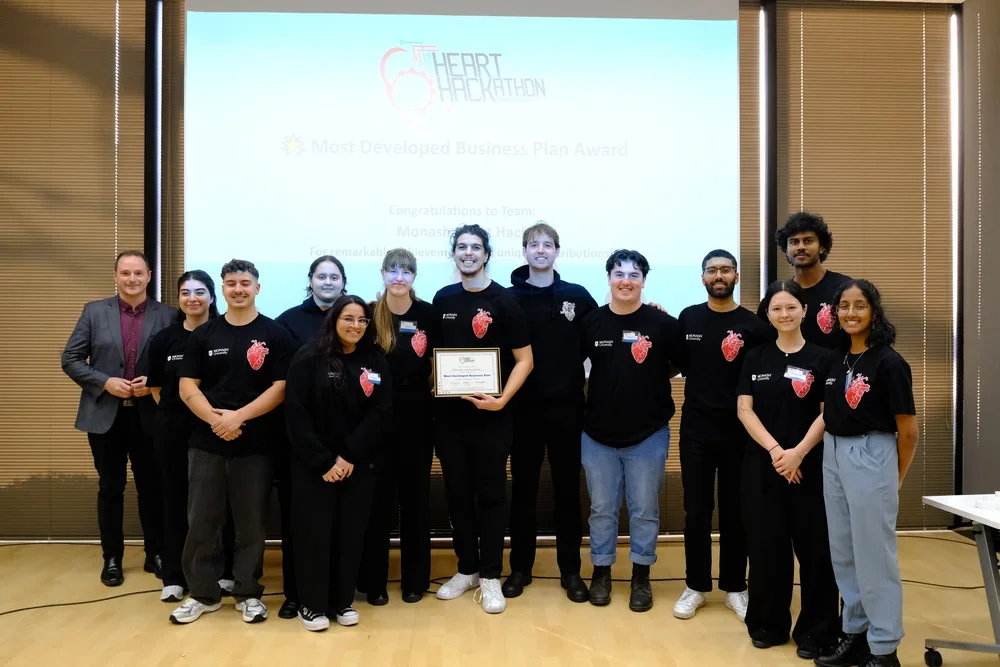
Best Business Plan, 2024 Heart Hackathon Competition
Advice for new teams:
Start partnerships early, ask widely, and come prepared with a prospectus and clear value proposition
Document everything, plan for handovers, and keep admin load manageable with dedicated operations support
Invest heavily in your team —leadership, culture and clear roles make or break progress!
Case Study: QUT Heartbeats
Overview:
Second‑year Heart hack team operating as a sub‑project under an existing student club
Key challenges and solutions:
Over‑segmented team structure fixed by consolidating into three main teams with defined project streams
Low retention and “Houdini” members addressed through structured meetings, accountability, and WILL‑hour incentives
Interpersonal issues and inconsistent expectations managed through a team charter, code of conduct, and safer communication practices
Location: Queensland University of Technology, Queensland, AUSTRALIA
Achievement:
Best Newcomer Team, 2025 Heart Hackathon Competition
Joined Heart Hackathon: 2024
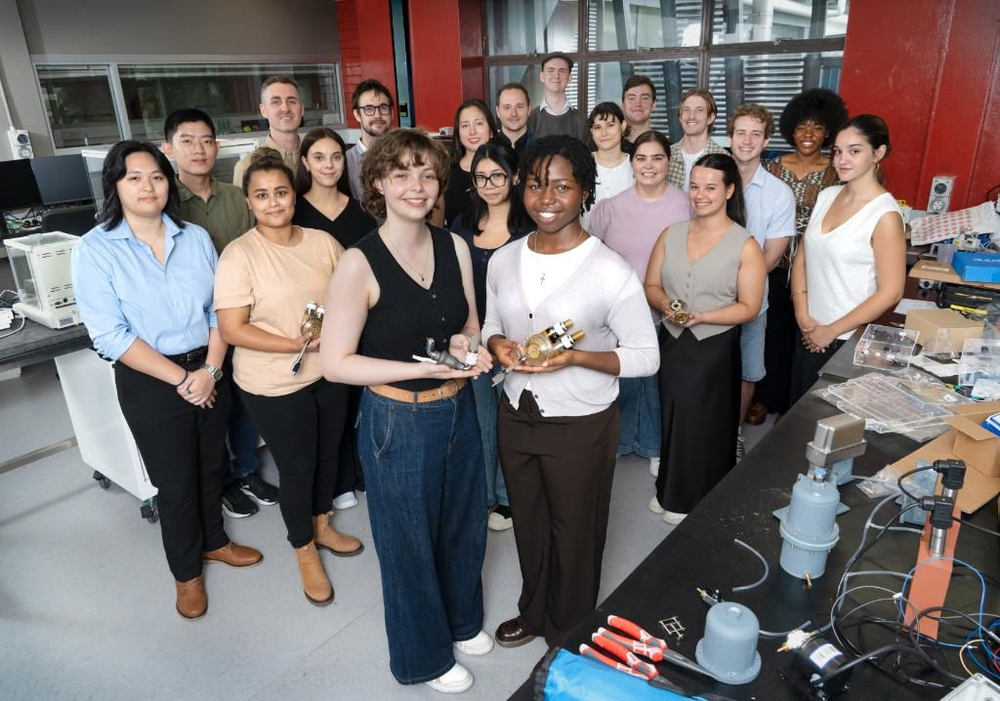
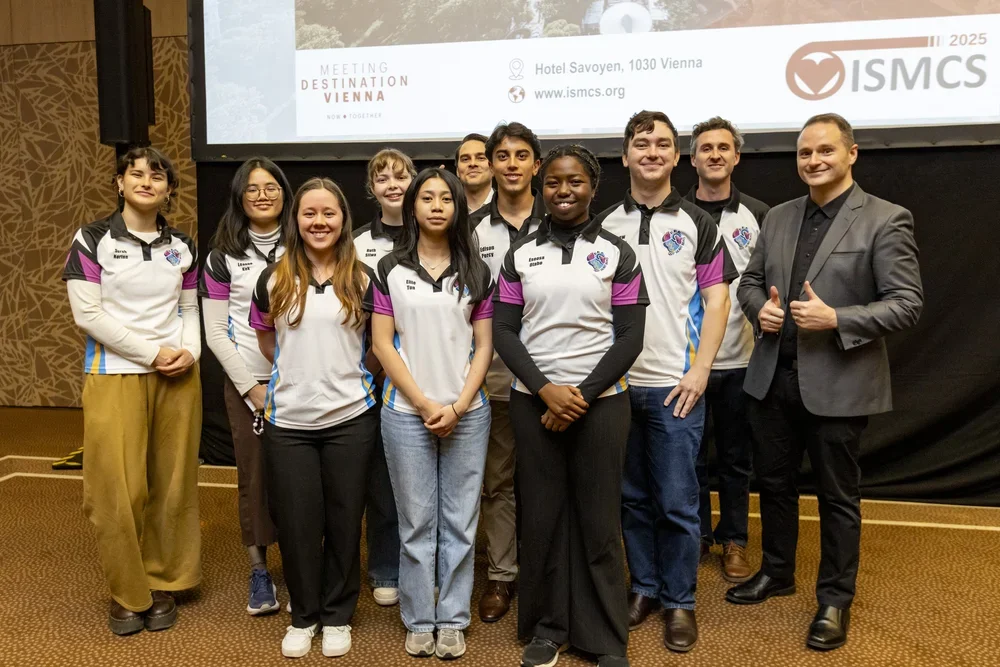
Best Newcomer Team, 2025 Heart Hackathon Competition 2025
Advice for new teams:
Set expectations early with clear roles, attendance standards, and communication norms
Reach out to your university — faculty support, lab access, and grants are often available if you ask